Follow Me On Social Media!

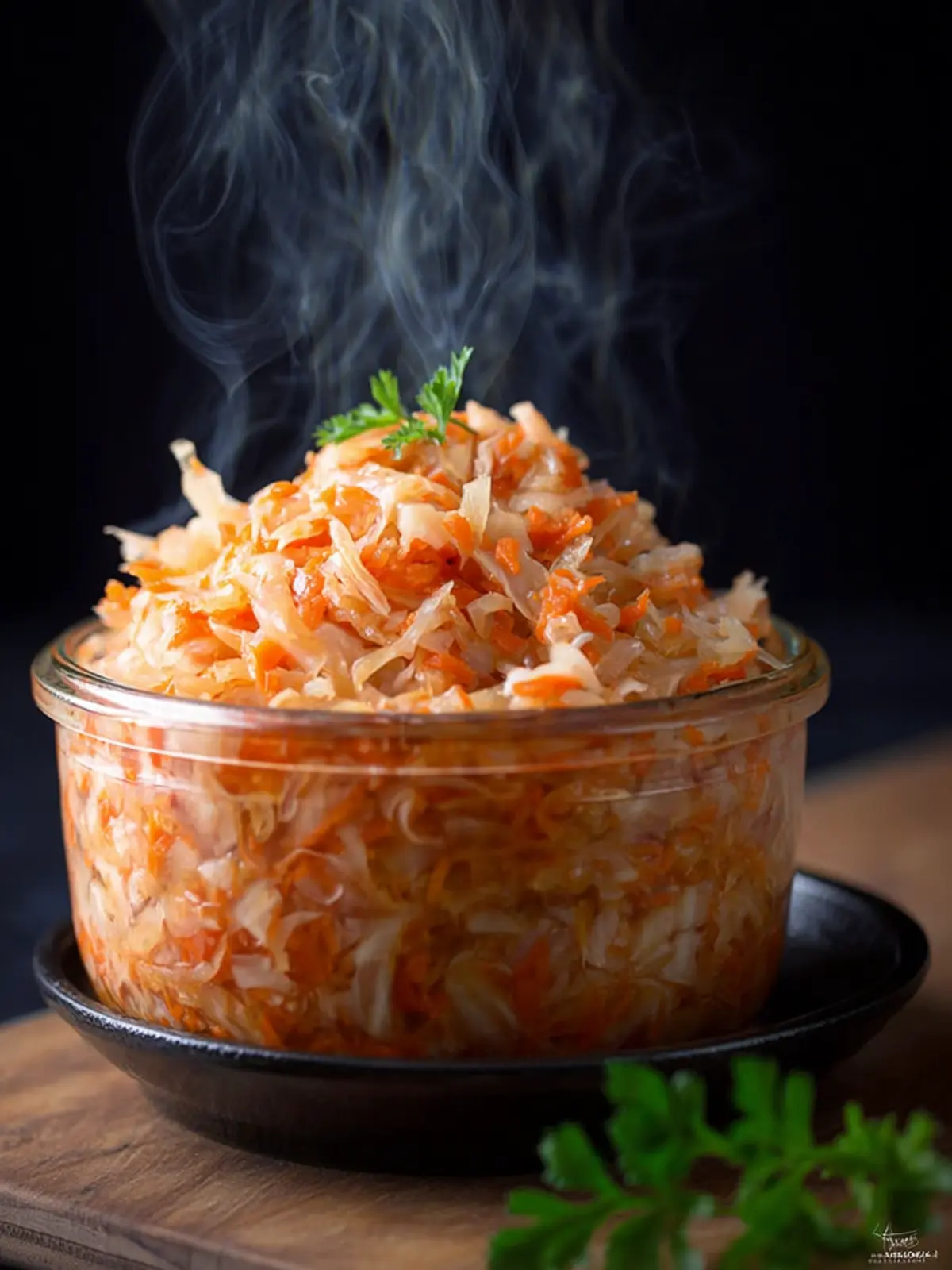
Ukrainian Sauerkraut Recipe: Easy & Flavorful Homemade Delight

Introduction to Ukrainian Sauerkraut Recipe
At the heart of every vibrant kitchen lies the rich history of fermented foods, and the Ukrainian sauerkraut recipe is a prime example of this culinary tradition. Picture this: a cold winter afternoon in Ukraine, where families gather around the table, sharing stories and laughter, with a bowl of homemade sauerkraut at the center. This tangy, crunchy dish isn’t just food; it’s a celebration of heritage, flavor, and health.
Why Sauerkraut is a Beloved Staple in Many Cuisines
Fermented foods have been cherished across the globe, and sauerkraut is no exception. Originating from the practice of preserving cabbage, sauerkraut is packed with vitamins, probiotics, and a distinctive umami flavor that brings depth to any dish. Here are a few reasons why sauerkraut holds such a special place in many cultures:
-
Health Benefits: Packed with vitamins C and K, sauerkraut supports gut health and can boost immunity. The fermentation process enhances the bioavailability of nutrients, making it easier for our bodies to absorb them.
-
Versatility: Whether served as a side, mixed into salads, or piled on top of hot dogs, the versatility of sauerkraut appeals to many palates. In Ukraine, it’s often enjoyed with rich dishes like borscht or pierogi, providing a delightful contrast.
-
Easy to Make: The Ukrainian sauerkraut recipe is surprisingly simple, requiring just a few ingredients and some patience. With natural fermentation, anyone can create a batch at home, transforming a humble vegetable into a vibrant superfood.
-
Cultural Heritage: For many, sauerkraut signifies comfort and tradition. Its preparation can evoke memories of family gatherings and the warm embrace of shared meals, fostering connections that stretch across generations.
Creating your own Ukrainian sauerkraut isn’t just about following a recipe; it’s about engaging with a centuries-old practice that honors the essence of food. As you embark on this flavorful journey, prepare to experience not just the satisfying crunch of the cabbage but the heartwarming memories tied to this cherished dish. Embrace the simplicity of the ingredients, and relish in the satisfaction of bringing a piece of Ukrainian culture into your kitchen.
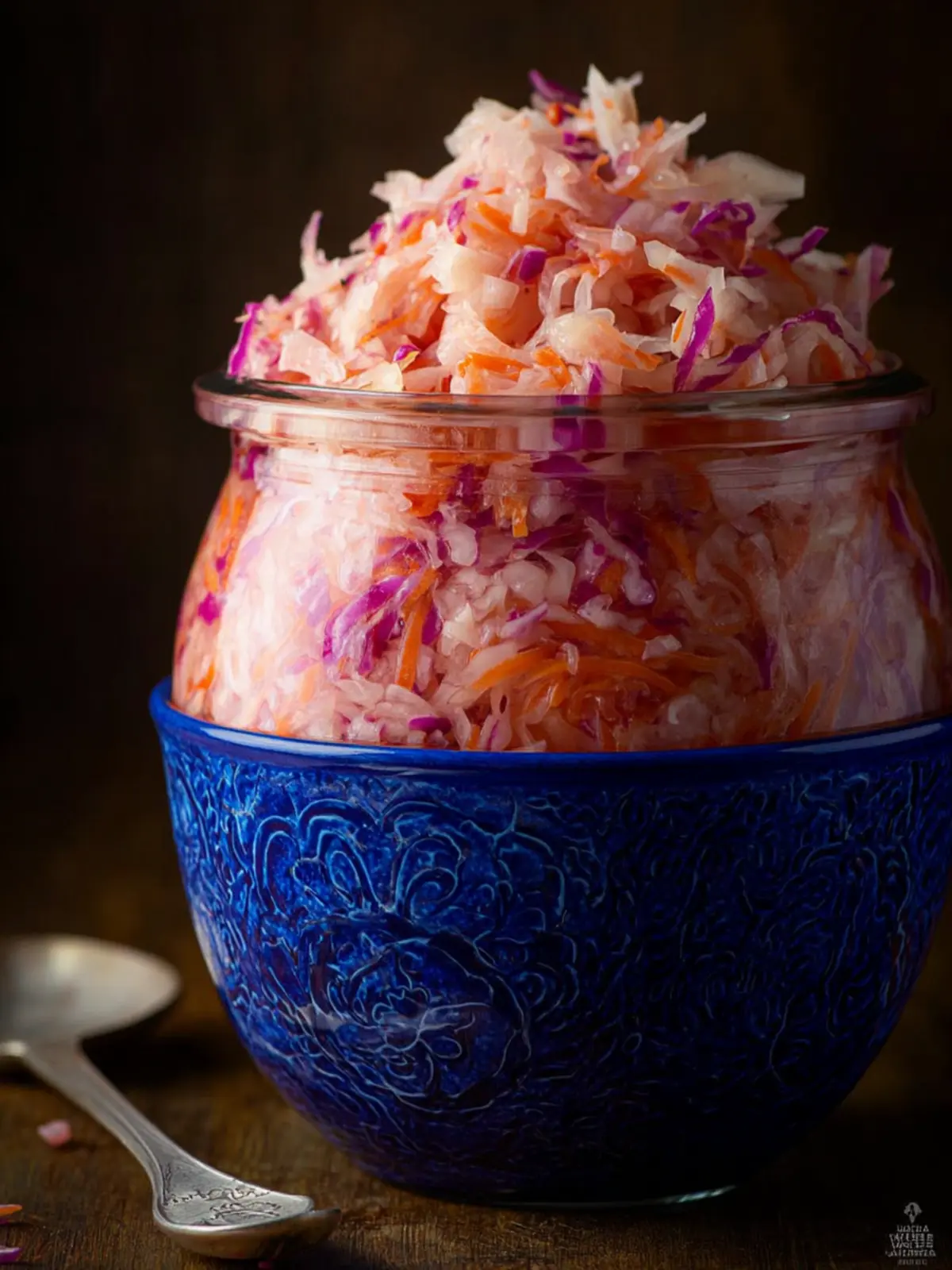
Key Ingredients for Ukrainian Sauerkraut
Crafting a genuine Ukrainian sauerkraut recipe revolves around the careful selection of fresh, high-quality ingredients, each contributing to the final tangy masterpiece.
-
Green Cabbage: The star of the show is definitely fresh green cabbage. Opt for firm heads that are heavy for their size. It brings a delightful crunch and sweetness to your sauerkraut.
-
Carrots: Adding shredded carrots infuses a natural sweetness and vibrant color to the mix. Their added texture makes for a more interesting bite and balances the tanginess of the cabbage.
-
Salt: The use of non-iodized salt is crucial as it promotes fermentation while allowing the natural flavors to shine through. Use a generous amount to achieve that perfect briny flavor.
-
Spices: Caraway seeds are traditional in Ukrainian recipes, lending a subtle earthiness. You might also consider a sprinkle of black pepper corns for an extra kick that deepens the flavor profile.
Each of these ingredients plays an essential role in creating a Ukrainian sauerkraut that is not only delicious but also rich in probiotic benefits. Happy fermenting!
Why You’ll Love This Ukrainian Sauerkraut Recipe
For anyone intrigued by rich culinary traditions, this Ukrainian sauerkraut recipe serves as a splendid introduction to the vibrant world of Eastern European flavors. Imagine the enticing aroma of fermenting cabbage mingling with spices – it’s an experience that draws you into a cozy kitchen, the heart of family gatherings.
Here are a few reasons why you’ll quickly fall in love with this recipe:
-
Simple Ingredients, Bold Flavor: You’re only a few staples away from creating a dish that bursts with personality. The acidity of the fermented cabbage mixed with the warmth of spices makes each bite a flavor explosion.
-
Health Benefits Galore: Fermented foods like sauerkraut are known to be rich in probiotics, promoting gut health and digestion. With each tangy mouthful, you’re not just savoring a delightful treat; you’re also doing wonders for your well-being.
-
Versatile Side Dish: Whether served with hearty meats, on sandwiches, or as a topping for salads, this Ukrainian sauerkraut effortlessly elevates any meal. Its versatility means you can enjoy it in countless ways, adding a zing to your culinary repertoire.
Bringing this Ukrainian sauerkraut recipe to life is not just about making food; it’s about crafting a piece of tradition laden with flavor—and perhaps a few cherished memories along the way.
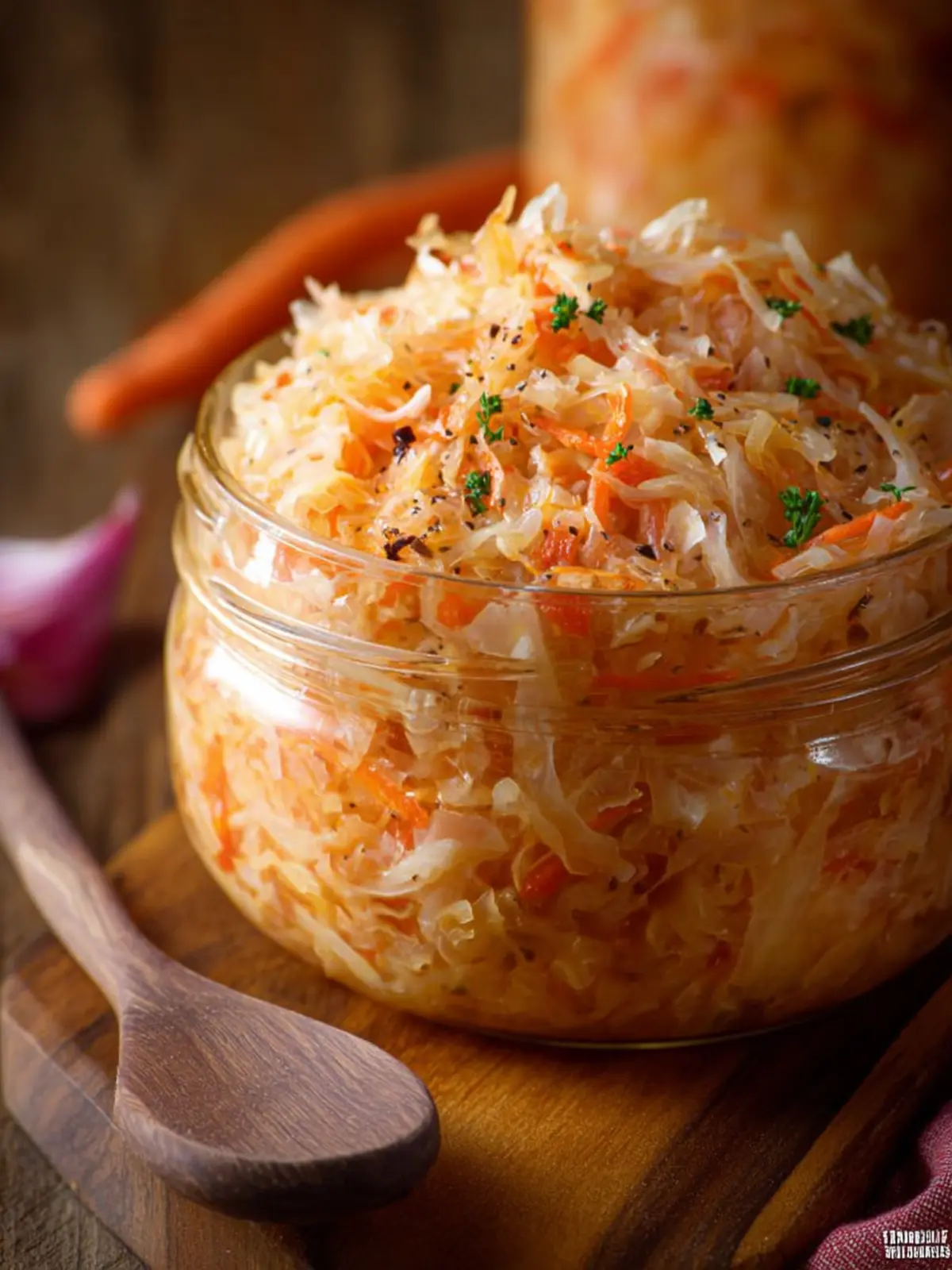
Variations of Ukrainian Sauerkraut
Ukrainian sauerkraut is more than just a tangy side dish; it’s a canvas for countless flavorful variations that reflect the diverse culinary traditions of Ukraine. Whether you’re hosting a family gathering or simply want to elevate your weekday meals, experimenting with different ingredients can completely transform this classic recipe.
Spiced Ukrainian Sauerkraut
For those who love a kick, consider adding some spices like caraway seeds, mustard seeds, or even a hint of chili flakes. These not only enhance the flavor but also provide an aromatic experience, making your Ukrainian sauerkraut recipe even more irresistible.
Add Fruits for Sweetness
Another delightful option is to incorporate fruits such as grated apples or cranberries. The natural sweetness of these additions creates a lovely contrast with the sourness of the fermented cabbage, adding a whole new layer of taste. Plus, it’s a fun twist that’s sure to surprise your guests!
Seasonal Vegetables
Seasonal vegetables can also play a starring role. Think of adding carrots, beets, or even radishes for texture and color. Not only do they boost the nutrition factor, but they also allow your Ukrainian sauerkraut to shine as a vibrant dish.
No matter how you choose to vary it, Ukrainian sauerkraut always embodies the spirit of togetherness and comfort food. So, why not get creative in the kitchen?
Cooking Tips and Notes for Ukrainian Sauerkraut
Creating the perfect Ukrainian sauerkraut is not just about following a recipe; it’s about understanding the art and science of fermentation. This traditional dish, often associated with family gatherings and hearty meals, can be a rewarding endeavor when approached with care and creativity.
Choosing the Right Cabbage
Always opt for fresh, firm green cabbage. The crunchiness of the cabbage really enhances the sauerkraut’s texture. Avoid any heads that feel soft or have dark spots, as these can affect the fermenting process.
Shredding
When shredding the cabbage, uniformity is key. Aim for thin strips; ideally, they should be about 1/8 inch thick. This allows for even fermentation and ensures every bite is flavorful.
Salt Measurement
In this recipe, the salt isn’t just seasoning; it’s essential for fermentation. Use non-iodized salt—Kosher or sea salt work beautifully—as it aids in drawing out moisture without introducing extra chemicals.
Timing is Everything
During the fermentation period, check your sauerkraut regularly. Depending on your taste preferences, you may want to taste it after a week. Some like it tangy, while others prefer a milder flavor.
Storage Tips
Once fermented, store the sauerkraut in an airtight container in the fridge. It can last for several months and adds a delightful crunch to sandwiches, salads, or served as a side. Enjoy your Ukrainian sauerkraut journey!

Serving Suggestions for Ukrainian Sauerkraut
Nothing captures the essence of Ukrainian sauerkraut quite like its ability to complement a variety of dishes while infusing your meals with a tangy crunch that sparks joy. Picture this: a hearty bowl of borscht topped with a generous spoonful of your homemade sauerkraut. The combination is exhilarating!
Enjoy with Traditional Dishes
- Perogies: Pair your sauerkraut with potato or cheese-filled perogies. The creamy filling balances the sharpness of the kraut wonderfully, creating a delightful bite.
- Kielbasa: Serve alongside grilled or sautéed kielbasa for a protein-packed meal. The savory flavors of the sausage blend perfectly with the tangy notes of the sauerkraut.
Make a Flavorful Salad
- Sauerkraut Salad: For a light dish, mix sauerkraut with diced carrots, bell peppers, and a splash of olive oil. This refreshing salad is not just a great side but also an excellent addition to your lunchbox.
Creative Sandwich Filling
- Wraps and Sandwiches: Use Ukrainian sauerkraut as a zesty filling in wraps or sandwiches. It’s especially delicious with turkey or roast beef, adding texture and depth to your meal.
Embrace the versatile magic of Ukrainian sauerkraut and elevate your dining experience to new levels!
Time Breakdown for Making Ukrainian Sauerkraut
Creating homemade Ukrainian sauerkraut is not just a culinary experience; it’s a journey steeped in tradition. Each step is vital, requiring patience for that authentic tangy flavor to develop.
Preparation Time
The initial prep for your Ukrainian sauerkraut recipe takes about 30 minutes. You’ll need to shred the cabbage, mix in the salt, and pack everything into a fermentation vessel. It’s a labor of love, but the crunch of fresh veggies makes it worthwhile!
Fermentation Time
The real magic happens during the fermentation process, which can take anywhere from 1 to 4 weeks. During this time, those natural bacteria transform the cabbage into that distinctively sour, crunchy goodness.
Total Time
Adding it all up, you’re looking at around 1 month to fully enjoy your homemade Ukrainian sauerkraut. But remember, it’s well worth the wait for that deliciously tangy flavor to develop!
Nutritional Facts for Ukrainian Sauerkraut
When diving into the world of fermented dishes, the Ukrainian sauerkraut recipe is not only delicious but also packed with nutritional benefits. Let’s break down the vital nutritional components that make this traditional dish so appealing.
Calories
Typically, a serving of Ukrainian sauerkraut contains around 25 calories. This low-calorie profile makes it a fantastic addition to any meal without adding excess calories.
Protein
In terms of protein, Ukrainian sauerkraut offers approximately 1 gram per serving. This may not seem like much, but every bit contributes to your daily intake, especially when paired with protein-rich foods.
Sodium
One thing to watch with sauerkraut is its sodium content, which can be around 500 mg per serving. While it’s essential for flavor, those monitoring their sodium intake should enjoy it in moderation or opt for lower-sodium versions.
FAQs about Ukrainian Sauerkraut
Making Ukrainian sauerkraut is more than just a culinary adventure; it’s a journey into tradition that connects us to generations past. If you’re curious about this vibrant fermented dish, you may have some questions. Let’s uncover the answers.
What are the health benefits of sauerkraut?
Ukrainian sauerkraut offers a wealth of health benefits. First and foremost, it’s packed with probiotics, which promote gut health and improve digestion. Did you know just one cup of fermented sauerkraut can contain over a billion probiotics? Additionally, it’s rich in vitamins C and K, aiding in immune function and bone health. The fermentation process increases the bioavailability of nutrients, making them easier for your body to absorb. Whether enjoyed as a side dish or as part of a larger meal, sauerkraut is a delicious way to support your overall well-being.
How long does homemade sauerkraut last?
When properly stored, homemade Ukrainian sauerkraut can last quite a while. Generally, it can stay fresh in the refrigerator for up to 6 months. Just make sure to keep it in an airtight container, ensuring it remains submerged in its brine to prevent spoilage. If you notice any off smells or colors, it’s best to err on the side of caution and discard it.
Can I use different vegetables in this recipe?
Absolutely! While this Ukrainian sauerkraut recipe traditionally uses only cabbage, you can experiment with various vegetables to suit your taste. Carrots and beets add a colorful twist and extra nutrients. Just keep in mind that the texture and fermentation time may vary depending on what you choose. Mixing in different vegetables not only enhances the flavor but also enriches the nutritional profile of your sauerkraut!
Conclusion on Ukrainian Sauerkraut Recipe
The Ukrainian sauerkraut recipe you’ve just mastered not only captures the essence of traditional flavors but also enriches your culinary repertoire. This fermented delicacy offers more than just a side dish; it’s a journey into Ukrainian culture, connecting you with generations of wisdom. Once fermented, its tangy taste complements a variety of meals, making it a versatile addition to any table. Enjoying it fresh or marinated brings a delightful crunch and probiotic benefits, too. So, gather your ingredients and bring a taste of Ukraine into your kitchen—your palate and gut will thank you!
Print
Fermented Cabbage
- Total Time: 3 days
- Yield: 1 gallon 1x
- Diet: Vegan
Description
A simple recipe for making delicious fermented cabbage.
Ingredients
Scale
- 3 kilograms cabbage
- 4 Tbsp salt
- 1 large grated carrot
- 1 tsp granulated sugar
- 6 cups cold water
Instructions
- In an extra-large bowl, shred the cabbage.
- Add the grated carrot, two tablespoons of salt, and 1 tsp of sugar. Mix together with your hands.
- Transfer the mixture into a large 8-quart pot. Stir 6 cups of cold water with 2 tablespoons of salt and pour this over the shredded cabbage.
- Press the cabbage mixture down with a plate to bring the liquid over the cabbage.
- Weigh down the plate with something heavy (I used an old crock) and cover the pot with a lid.
- Allow it to sit in a dark place at room temperature for 2-3 days.
- After fermentation, pack sour cabbage into a 1-gallon jar (or four one-quart jars) pressing the liquid over the cabbage, and keep refrigerated for up to 12 months.
Notes
- Keep the cabbage submerged in the brine to prevent spoilage.
- Adjust the salt and sugar according to taste preference.
- Prep Time: 15 minutes
- Category: Preserving
- Method: Fermentation
- Cuisine: German
Nutrition
- Serving Size: 1 cup
- Calories: 20
- Sugar: 1g
- Sodium: 200mg
- Fat: 0g
- Saturated Fat: 0g
- Unsaturated Fat: 0g
- Trans Fat: 0g
- Carbohydrates: 5g
- Fiber: 2g
- Protein: 1g
- Cholesterol: 0mg